 The holidays only come once a year, so it’s important to find ways to remember every moment. There is one commonality to every holiday that brings us all together, and that’s food! As exciting as bringing our holiday favorites back, it can be stressful for some to think about. Practicing mindfulness over the holidays involves having moment-to-moment awareness. It also involves using your senses to have new observations with foods familiar or new to you. It is a unique practice unlike any healthy eating trend, focusing on reconnecting with food without judgment. Mindful eating allows us to appreciate food and the nourishment it gives our bodies truly. It is effective for an extended period of time, not a short-term goal with “fast results.” There are no food rules and restrictions associated with mindful eating; the goal is to savor the moment and have your own unique experiences. 10 Strategies to practice Mindful Eating: #1 Be Intentional. Choose your most meaningful holiday meals. Don't feel pressured to choose items you are not desiring. #2 Get Creative and Consider Alternatives. Try swapping out ingredients with those supporting your health goals. #3 Remove Distractions. Try to become more present while eating by creating ambiance and removing distractions, i.e., Cellphones, TV, Workload, books, etc. #4 Stay Hydrated. Remember to stay hydrated during colder months. Consider trying hot tea with lemon, warm milk (with molasses - Yum!), sparkling water, or flavoring your water. #5 Noticing your Hunger and Fullness. Determine if a pre-meal snack is necessary before a holiday gathering. You never have to "save up" for a holiday meal or party; this may cause you to be overly hungry and eat at a faster pace or past fullness. Eat slowly; it takes about 20 minutes for your hormones to kick in and tell your brain when you have had enough food. #6 Using your Senses. Before taking your first bite, notice the smells, colors, and food arrangements. When you take your first bite, take it slowly and notice the textures, flavors, and sounds coming from the food.  #7 Have a Strategy. Bring your favorite dish and try using a smaller plate to help your portion sizes and satisfaction factor. Develop a well-balanced plate and look over all your options before choosing. #8 Add Joyful Movement to Your Holiday Traditions. Plan ahead to try new activities, such as going for a group walk, playing a game of charades, or looking at Christmas lights after dinner.  #9 Manage Stress. Identify the true source of your stress to respond in a way that is helpful to you. Try breathing techniques, get outside, go for a walk, journal, or have a stretch break.
#10 Drop the Food Guilt, Be Present & Practice Gratitude. Remember to enjoy yourself; the holidays only come once a year. Try to be in the moment and cherish them. Acknowledge everyone surrounding you and the meals placed in front of you. Recognize the time it took to prepare for the holidays—practice gratitude with your friends and family. -Julie Allocco, Dietetic Intern
0 Comments
 With the Thanksgiving holiday coming up, we have a few ideas to add to your table! We created some side dish recipes for you to share & enjoy this holiday season with good company. These recipes may be new twists to the holiday classics, additions to your favorite dishes, or possibly something new entirely. Thanksgiving Day can be stuffed full of nutrients – so you and your loved ones can enjoy all the benefits. Our first recipe, CAULIFLOWER MASHED POTATOES, is a new way to prepare traditional garlic mashed potatoes. This dish has a nice nutty flavor and texture and is relatively low in carbohydrates. Cauliflower is known as a superfood due to its numerous health benefits. It’s also one of the few plants that contain Choline, a nutrient vital to metabolism and brain health. Consuming enough Choline in our diet may reduce the risk of neurological disorders like Alzheimer’s and Dementia as well as heart and liver diseases. Other health benefits of cauliflower include:
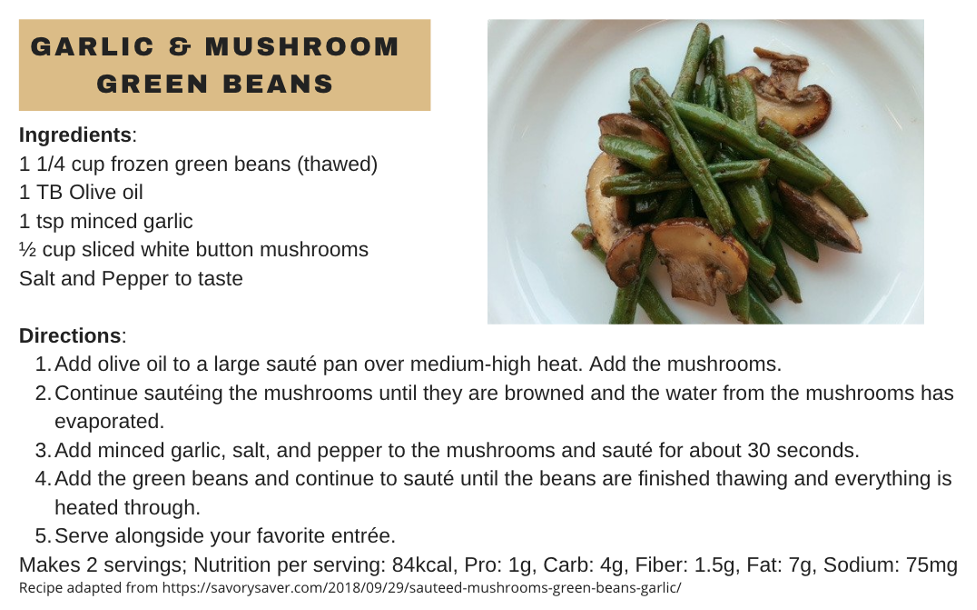
 Gratitude helps us see what is there, instead of what isn’t. Our next two recipes highlight two nutrient-packed foods. PUMPKIN & GREEN BEANS - These foods are rich in Vitamin A and Vitamin C, which play a vital role in our eye/vision health, immunity, and tissue repair.
  Showing gratitude is one of the simplest yet most powerful things humans can do for each other. Our last dish is a delicious and easy dessert. Our baked pear recipe is the perfect option if you’re making 1-2 servings, but you can easily serve a crowd with these as well. Pears are full of potent polyphenol antioxidants, which help regulate blood pressure and cholesterol. The antioxidants are concentrated in the pear’s skin, so aim to eat the whole thing, skin and all! You don’t want to miss out on the heart benefits or the soluble and insoluble fiber that help aid our digestion. 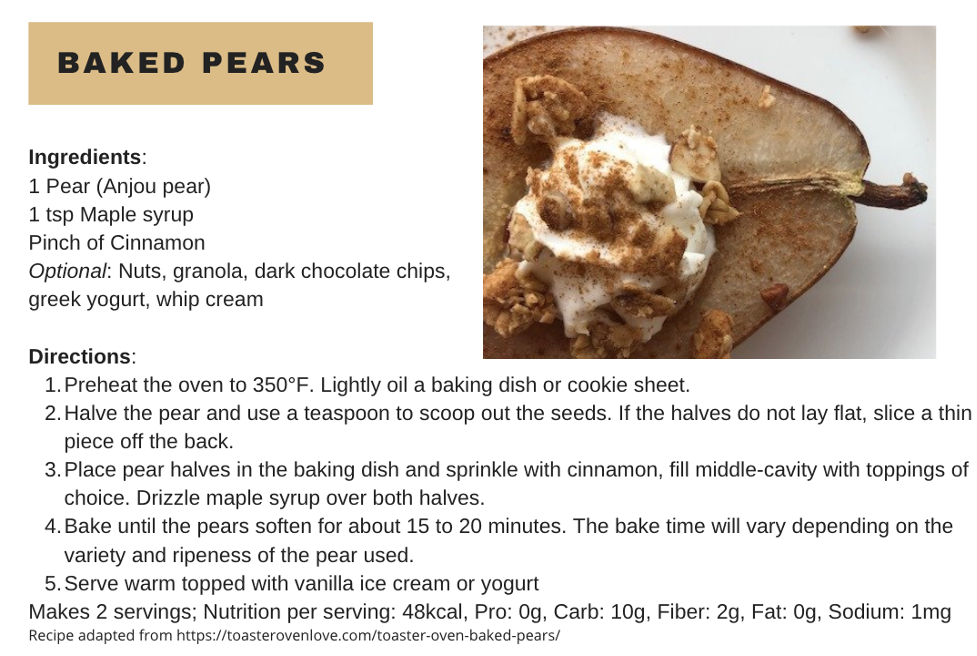 We hope you enjoy these recipes as much as we did. And most importantly, we hope you enjoy this holiday season – may your heart be full of gratitude and your belly full of fabulous foods!
-Paige Johnson, Dietetic Intern  The tiny Blue Zone island of Ikaria, Greece, is known as a place where people forget to die. Blue Zones are areas around the world where people tend to have longer life expectancies and lower rates of heart disease, cancer, diabetes, and obesity. Ikaria is one of only five total Blue Zones, which begs the question, what are these islanders doing (besides losing track of time) to live to 100? The Mediterranean Diet The people of Ikaria, Greece, eat a Mediterranean-style diet. This diet includes fresh, nutrient-rich, whole foods that may reduce inflammation in the body. The diet also contains a lot of fiber, antioxidants, and healthy fats such as omega-3s. It is known that this type of diet can help prevent heart disease and stroke and lower risk factors such as obesity, diabetes, high cholesterol, and high blood pressure. The Oldways Mediterranean Diet Pyramid outlines the defining characteristics of the diet as follows:
The Ikarian diet especially emphasizes legumes, wild greens, potatoes, goat milk, honey, some fruit, and small amounts of fish. This plant-based diet focuses on local produce and appears to be a key to longevity. With more than 150 varieties of wild greens all over the island, there is plenty for the picking. 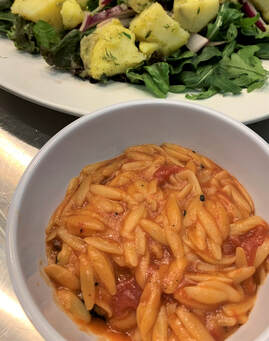 The Mediterranean is more than a Diet- it’s a Lifestyle Residents of the island who live in the highlands and spend time doing yard work or tending to their gardens are among those who live the longest.
The Trick to Longevity The people of Ikaria don’t only embrace a diet filled with nutrient-rich foods and healthy fats. They also enjoy a relaxed pace of life and the simple pleasures life has to offer. By incorporating physical activity into their daily lives and maintaining strong social bonds, these islanders can ignore their clocks and push past the bounds of time. Let’s Get Cooking Now let’s put some of these Mediterranean-style recipes to the test. Here are two recipes we tested in the kitchen authentic to the Blue Zone Ikaria, Greece. Tomato Pasta Soup Makes 10 servings. The following recipes have been taken and adapted from the Blue Zones Kitchen: 100 recipes to live to 100. Ingredients: 2 cups water 4 cups vegetable broth 1 - 15-ounce can fire-roasted chopped tomatoes (or equivalent ~2 cups fresh) 1 cup roasted tomato sauce, fresh or store bought 2 tablespoons extra-virgin olive oil 1 pound orzo or similar short cut pasta Optional salt and pepper, to taste Instructions: Bring water and vegetable broth to a boil in a large pot. Add tomatoes, tomato sauce, olive oil, and orzo. Stir to combine. Lower heat to bring soup to a simmer. Cook until broth is thickened and pasta is cooked, about 20 minutes. Stir occasionally so orzo does not stick to bottom. Add salt and pepper to taste. Nutrition per serving: 223 calories, 4g fat, 7g protein, 42g carbs, 3g fiber, 423mg sodium 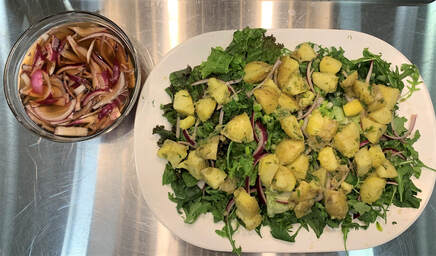 Winter Potato Salad Makes 6 servings Ingredients 8 cups water 2 pounds potatoes, peeled and cut into bite-sized pieces (Yukon gold or red potatoes work best) ½ cup chopped fresh dill ½ cup extra virgin olive oil 3 to 5 tablespoons red wine vinegar 2 cups arugula (chopped) 2 cups spinach (chopped) 1 large onion, thinly sliced 1 small head green leaf or romaine lettuce, chopped Optional salt and pepper Instructions: Bring water to a boil in a saucepan. Add potatoes and cook uncovered until tender, they’re ready when pierced easily with a fork, about 12 minutes. Drain potatoes and let cool. In a small bowl, combine dill, olive oil, and vinegar. Add salt and pepper to taste. Whisk to combine. In a serving bowl combine together the dressing and the potatoes. Add mixed greens and onion to serving bowl and toss to combine. Nutrition per serving: 313 calories, 19g fat, 4g protein, 34g carbs, 5g fiber, 25mg sodium Hope you enjoy!
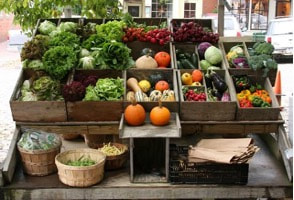
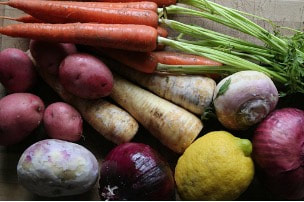
Rachel Brennen, Dietetic Intern Resources: Eating to Break 100: Longevity Diet Tips From the Blue Zones (2015), https://www.npr.org/sections/thesalt/2015/04/11/398325030/eating-to-break-100-longevity-diet-tips-from-the-blue-zones Ikaria, Greece https://www.bluezones.com/exploration/ikaria-greece/ What is the Mediterranean Diet? (2020) https://www.heart.org/en/healthy-living/healthy-eating/eat-smart/nutrition-basics/mediterranean-diet 8 Defining Characteristics of the Mediterranean Diet (2016) https://www.eatrightpro.org/news-center/nutrition-trends/health-promotion/8-defining-characteristics-of-the-mediterranean-diet The sun and warmth of summer may be starting to wane, but the abundant harvest season is just ramping up! Many delicious fruits and vegetables are ripening as you read and are just waiting to be enjoyed. So get out to the last few Farmer’s Market days and take home some seasonal produce that is both nutritious and delicious! Why “In Season”? You may be wondering why you should even care about what produce is in season. I mean, all produce is available at the grocery store year-round, right? In season produce is at its natural peak ripeness, which has many great benefits! When a fruit or vegetable reaches ripeness, the nutrients are also at peak levels and efficacy. Local farmers near you are harvesting this produce right now, which means perfectly ripe fruits and vegetables are reaching you within a matter of days. Without long transport times, nutrients remain at their peak. Even better, you have an amazing chance to support local farmers, keep profits in your community, and benefit everyone. In season produce is also more affordable! Produce that may be otherwise out of your price range other times of the year is now cheaper because it is widely abundant. Lastly, eating seasonal produce means that your body is enjoying different nutrients throughout the year too. This ensures achieving the full spectrum of nutrients over a year. It’s similar to the phrase “eat the rainbow,” referring to different colors of fruits and vegetables containing different nutrients, but in a longer timeframe.  What’s In Season in August? ● Vegetables: corn, cucumber, eggplant, green bean, okra, pepper, squash, tomatillo, tomato, zucchini ● Fruits: blackberry, plum, fig, melon, nectarine, watermelon, peach What’s In Season in September? ● Vegetables: chard, cauliflower, white cabbage, Savoy cabbage, cucumber, chicory, onion, bean, mushroom, lettuce, eggplant, nettle, potato, tomato, pepper, rhubarb, radish, rocket, shallot, courgette, pumpkin ● Fruits: watermelon, carnelian, fig, prickly pear, apple, melon, blueberry, blackberry, loquat, pear, plum, peach, nectarine What’s In Season in October? ● Vegetables: beet, broccoli, Brussels sprout, cabbage, cauliflower, chicory, leek, okra, parsnip, pepper, pumpkin, shallot, sweet potato, turnip, watercress, winter squash, ● Fruits: apple, blackberry, grape, cranberry, date, fig, grape, pear, quince, starfruit, persimmon, pomegranate, plum, pineapple, winter cherry, banana
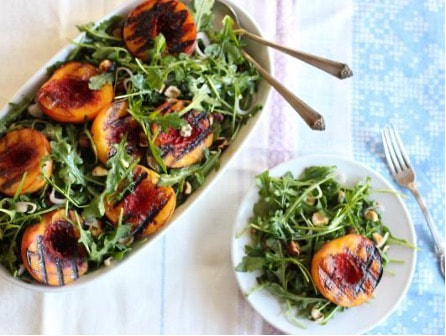
Need Inspiration? Here is a favorite recipe of mine that we made during a recent community cooking class at Verdant Community Center highlighting August seasonal produce:
Start by preheating the oven to 400F. To make the spice rub, mix all spices in a small bowl until well combined. Coat the pork tenderloin with the spice rub on both sides. Sear the pork in a hot pan until brown on both sides. Transfer the pork to a baking dish; deglaze the pan with white wine vinegar and pour over the pork. Bake the pork for 20-25 minutes, or until 145F in the center. While the pork is cooking, slice the peaches and set them aside. Mince the shallot and set aside. Combine the olive oil, lemon juice, Dijon mustard, honey, salt, and pepper and stir until well mixed; set aside. Remove pork from the oven and allow to rest for 5 minutes, then slice into 4 servings. Fill 4 bowls with arugula, and top with peaches, shallots, goat cheese, pork, and dressing. Enjoy!
Nutrition per Serving: 375 calories; 20g Fat; 26g Protein; 14g Carbohydrates; 2g Fiber; 283mg Sodium References:https://agr.wa.gov/getmedia/00847f74-ac10-4622-a30835f644552fc/seasonalitycharthusscvegetablefinal.pdf https://wafarmersmarkets.org/washingtonfarmersmarketdirectory/  The end of a long winter welcomes a beautiful spring, and with it, the blooming of colorful plants, flowers, and pollen. While we love the idea of a lovely day in the park, lying in the grass and reading a novel, this can end in itchy eyes, sneezing, and misery. If you are someone who struggles with seasonal allergies, you may be able to help ease some of your symptoms with a few dietary changes. Let’s talk specifically about foods rich in histamine, and how they could be aggravating your allergies! What is Histamine Histamine is a chemical with many roles in the body, including regulating the body’s response to foreign substances or injury. Histamine is released by white blood cells when the body is presented with a foreign substance that is perceived as harmful and provokes an inflammatory response (blood vessels dilate, local tissues swell...where are the tissues?!). Unfortunately, usually unharmful substances such as dust, pollen & dander can be perceived as harmful substances by the body, causing an allergic response. Histamines are the major culprit for our allergy symptoms, but they are not our enemy! Histamine performs an abundance of beneficial acts in the body. Histamine is involved in the production and secretion of gastric acid; aids with stomach contraction; and plays a critical role in our immune system. Too much Histamine Just like all things nutrition, it’s a balancing act! You need enough histamine in the body to perform its necessary tasks, but too much and the balance is thrown off. Luckily, we have enzymes intended to break down histamine in the body, called diamine oxidase (DAO) enzymes. DAO enzymes help prevent a build-up of histamine in the body that causes inflammation. During allergy season, some people experience a higher level of histamine production as a response to their allergies (everyone is different!). During these times, additional histamine in your diet may be giving your DAO enzymes too much extra work, resulting in more allergy symptoms. Lowering the amount of histamine in your diet could provide some relief of mild-moderate allergy symptoms for the spring season.  Foods High in Histamine Some foods are naturally higher in histamine, including “older” foods, as histamine levels increase with age (Think fermented, aged, or leftover foods). Foods higher in Histamine :
Foods that are not naturally high in histamine, but can “trigger” histamine release in the body:
Quercetin & Antihistamine Properties Quercetin is a naturally occurring flavonoid-rich in antioxidant properties, and may also help with seasonal allergies! Functions of Quercetin include inhibiting histamine production and controlling inflammation. Quercetin can be found in various foods, like apples, onions, kale, and blueberries. It is found in green and black teas as well as ginger! 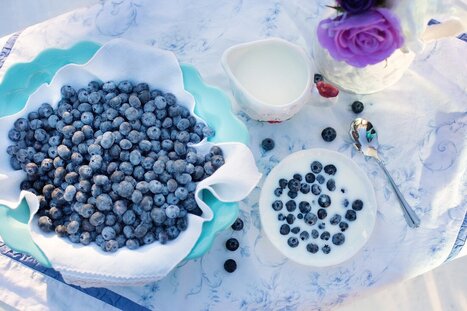 Do you have a histamine intolerance? Histamine intolerance occurs in roughly ~1% of the population and is when the body is naturally lower in DAO enzymes that break down histamine. It can appear as allergies when eating certain foods higher in histamine. A low histamine diet long-term could result in nutrient deficiencies, so it is important to speak with a healthcare professional and/or nutrition professional about a more individualized approach to lifestyle modification and potentially diamine oxidase supplementation. More research is needed on DAO enzymes and possible treatments for histamine intolerance! Signs of histamine intolerance: -itching -hives -watery eyes -sneezing -headaches -asthma -abdominal pain 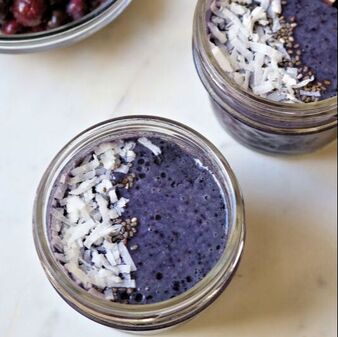 Here are a few delicious & low-histamine smoothie recipes!
5 Low Histamine Smoothies Wishing everyone a beautiful Spring with fewer sniffles & more picnics, bike rides, and other outdoor activities! -Katie Shepherd Dietetic Intern Are you trying your best to eat healthy, but may not know exactly where to start? Have you recently been diagnosed with high blood pressure and cholesterol, but want to get off the medications? The Mediterranean Diet may be for you! This is a plant-based diet that has been proven to create a healthy lifestyle, and decrease heart attack or stroke by 30%. This diet values culture, plant-based foods, and encourages physical activity. A great combo for success when wanting to change your diet! What is the Mediterranean Diet? The Mediterranean diet has been recommended by the Dietary Guidelines for Americans and World Health Organization to promote heart-healthy eating since the 1960’s. This is a way of eating based on the cuisine of countries surrounding the Mediterranean Sea. It focuses on intake of whole grains, legumes, fruit and vegetables, and fatty fish over red meats and cheeses.As a result, it has been recognized as a method to decrease blood pressure and promote heart-health. 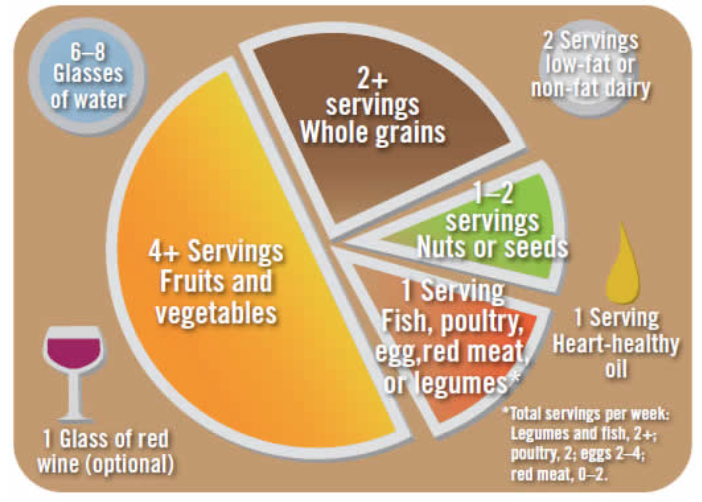 Building Blocks of the Mediterranean Diet: The Mediterranean Diet food pyramid follows an “All Foods Fit” approach. This means that all foods are okay to consume, but in various frequencies. As you examine the Mediterranean Diet Food Pyramid, the foods that should be eaten more often are at the bottom. As you move up the pyramid, the categories become smaller and are to be eaten less frequently. Here are the key takeaways for the following this diet:
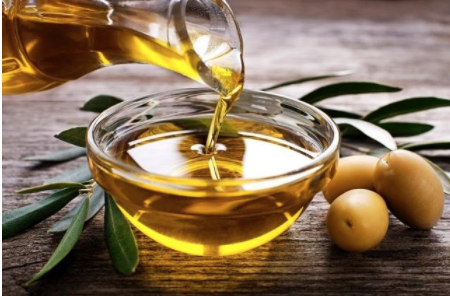 What are ‘Healthy Fats’? One of the main components of this diet are healthy fats. You might be wondering how fat can fit into a heart-healthy diet. The main types of fat to limit include saturated fats found in steak and full-fat milk, and trans fats commonly found in potato chips or fried food. When eating too much of these, they can increase risk of heart disease and LDL (“bad”) cholesterol levels. The Mediterranean diet focuses on providing monounsaturated fats , such as avocado and nuts, to help lower these LDL cholesterol levels, and increase HDL (“good”) cholesterol levels. Omega-3 fatty acids also help reduce the risk of heart disease and stroke. A higher intake of red meat can cause clogged arteries and increased lipid levels, while increased intake of seafood and fish can decrease this risk. The increased intake of fish, olive oil, nuts, and seeds can help decrease overall cholesterol levels and reduce inflammation in the body. Meal planning Tips & Tricks:
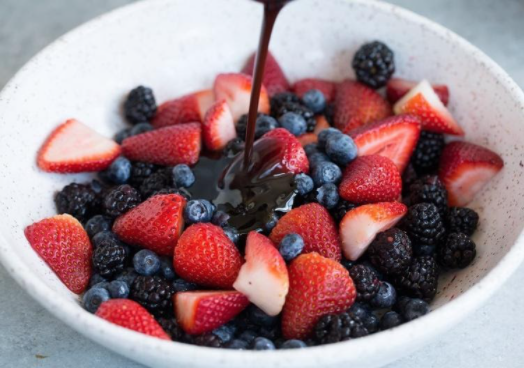 Here are a few delicious recipes to try: 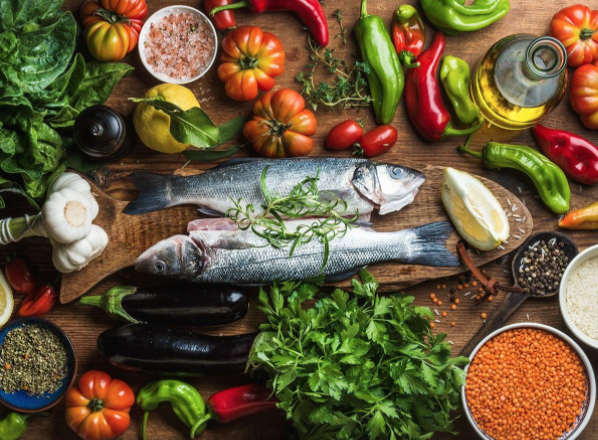 Long-term Changes, Lifelong Benefits
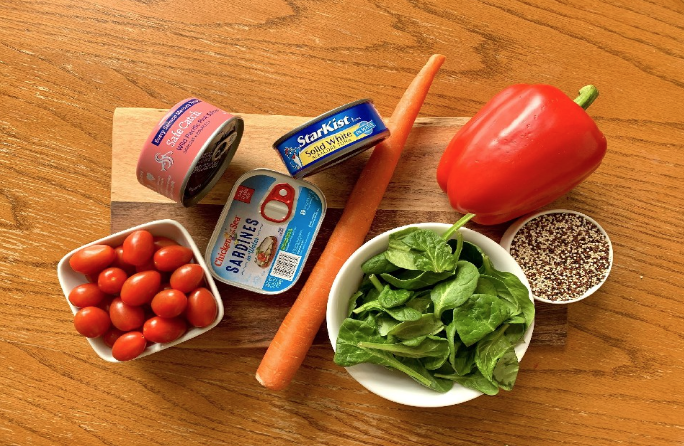
Hopefully, I provided some convincing that the Mediterranean diet may be for you. In fact, this could be a change at home for your whole family to enjoy. Needless to say, it is important to remember that you are still able to enjoy your favorite foods. You can still have that slice of cake, glass of red wine, or steak on occasion. Importantly, the occasion makes it a treat and will not negatively affect your health goals. Whether you have been considering this diet based on a doctor or friend’s recommendation, there are many reasons to adapt to this lifestyle. You will enjoy what the earth naturally provides to us, while decreasing that waistline or eliminating those blood pressure medications. There is no one size fits all approach, but there is a lifestyle opportunity to eat healthier and enjoy it. Do as the Romans do! Ashley Napoleon, SPU Dietetic Intern Canned fish are shelf-stable, budget friendly and tasty options for increasing your omega-3 intake. Today we are focusing on salmon, tuna, and sardines. Sardines have the highest amount of omega-3s and the lowest mercury content of any fish. Pregnant women, breastfeeding women and children all require an increased attention to the mercury content in their fish. Omega-3s are polyunsaturated fatty acids. They have anti-inflammatory properties and are linked to improving heart health. The 2015-2020 Dietary Guidelines for Americans recommends at least 8 ounces of seafood (less for young children) per week based on a 2,000-calorie diet. Don’t forget the importance of whole grains, fruits, vegetables, beans, legumes, and nuts in a heart healthy balanced diet. Find more information here- https://www.fda.gov/food/consumers/advice-about-eating-fish#:~:text=The%202015%2D2020%20Dietary%20Guidelines%20for%20Americans%20recommends%3A,that%20are%20lower%20in%20mercury.
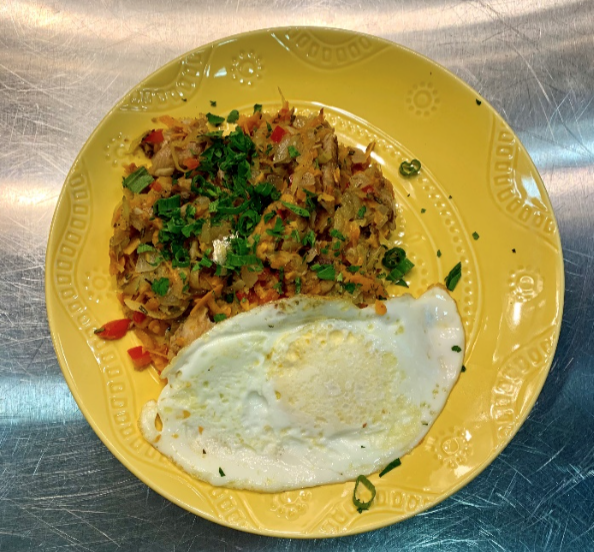
Grate the potatoes using the large holes of a box grater. Try one can of smoked sardines to give the hash a traditional smoky taste. If you haven’t found the right sardine recipe, this could be it. Ingredients:
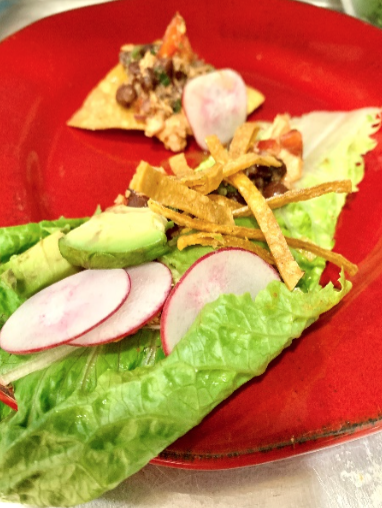
Salmon Lettuce Tacos: Serves 3-4 This recipe is delicious and refreshing. You can either serve on lettuce leaves or on homemade tortilla rafts, which are crunchy and satisfying.
To serve:
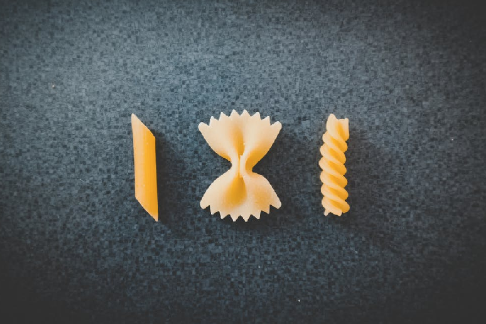
Instructions: 1. In the bottom of a medium bowl, combine lime juice, oregano, chili powder, cumin and ¼ teaspoon salt. Stir to dissolve salt. Stir in olive oil. Add salmon, beans, onion, bell pepper and jalapeno. Toss to blend. Taste and add more lime, salt, or other seasonings. Cover and chill for one hour or longer for flavors to blend. 2. To serve, spoon salmon salad onto lettuce leaves or tortilla rafts. Top with avocado, cilantro, and radishes. Tortilla Rafts: Brush or spray 3-4 corn tortillas on both sides with olive oil. Top with a pinch of coarse salt, if desired. Cut into quarters. Place on a baking sheet in a preheated 375°F oven for 8-10 minutes or until crisp. Pasta with Tuna, Lemon and Capers: Serves 4 This recipe spins a new take on tuna casserole and is the perfect family dinner. We used a chickpea-based pasta, but you can use your favorite type or even combine the different shapes for fun.
Instructions:
1. Bring a large pot of water to boil. Add salt if desired and cook pasta as the package directs. 2. While pasta cooks, combine olive oil, garlic, lemon zest, chili flakes and about ¼ teaspoon black pepper in a skillet. Warm over low heat for a minute or two, until fragrant. Stir in tuna, capers, and white part of green onion. Break up tuna into small, bite-sized pieces. Remove from heat. 3. When pasta is cooked to al dente (tender but still firm to the tooth) drain, reserving ½ cup of the cooking water. (Do not rinse pasta). 4. Place pasta in a warm bowl (or add to skillet with tuna). Toss with tuna mixture, parsley, green part of green onion and lemon juice. Add a few spoonsful of cooking water if needed to loosen the sauce. Add salt and pepper, to taste. Drizzle with more olive oil if you like. 5. Serve warm, sprinkled with pine nuts. These recipes make eating heart healthy easy. Omega-3s await! - Kiersti Brown, Dietetic Intern Instant Pots and Slow Cookers are great devices to have if you want to prioritize mealtimes and healthy, fresh ingredients. There are so many different recipes that can be made. You can even make breakfast in them, who would’ve thought? The History The slow cooker was invented in the 1940s to cook cholent, a stew traditionally eaten on the Sabbath by Eastern European Jews. Now, regardless of your background, you might find yourself reaching for your slow cooker when you need a simple way to cook nutritious meals and save time. As more and more women joined the workforce, the popularity of the slow cooker rose as a woman could be cooking without even being home. Okay, but what about the instant pot? If the slow cooker is your marathon runner, then the instant pot is your 100-meter sprinter. Does this Google Search Look Familiar to you? Now we have all been there. It is much too easy to store your slow cooker or instant pot in a faraway cabinet and forget to use it.  If so, we’re here to help. We are going to show you some new ideas for meals-- yes, even one for breakfast. Let’s get Creative! Do not be afraid to switch up recipes to fit your tastes or what you already have in the pantry. For example, using vegetarian options rather than meat can be done through swapping with tofu, lentils, or beans. Or if you don’t like the taste of coconut, swap coconut milk with dairy milk. Recipes We Love
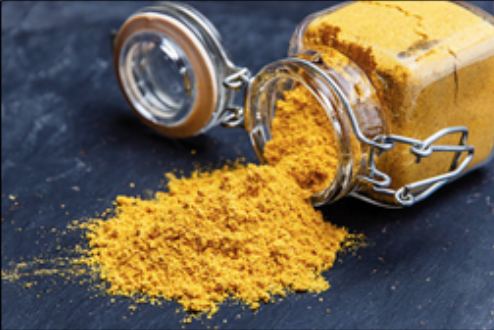
Instructions: 1. Press the “Sauté” function on the Instant Pot and set the timer to 10 minutes. Add the coconut oil and heat until it shimmers. Add the curry powder, cumin, and turmeric. Stir continuously with a rubber spatula to toast the spices until fragrant, 1-2 minutes. 2. Add the onions, garlic, and ginger. Stir to coat in the spices and sauté for 2 minutes. If the pot gets too dry, add a tablespoon or so of chicken broth to prevent the onions from burning. 3. Add the tomato paste and stir; cook until the tomato paste deepens in color, 1-2 minutes. 4. Add ½ cup broth to the pot. Stir. 5. Add the diced chicken thigh and salt, continue to mix. Make sure the chicken is coated with spices by stirring. 6. Press the “Cancel” button to turn off the “Sauté” setting. Secure the lid, ensure the pressure valve is set to “Sealing” then program to High Pressure for 5 minutes. It will take about 10 minutes for the pot to come to pressure. Perform a quick release once the timer goes off, being careful of the hot steam as it escapes. 7. Combine cornstarch with one tablespoon of water in a small bowl. Whisk until smooth. Pour this mixture and the coconut milk into the pot, then stir. 8. Add lime juice, cilantro, and salt if desired. Serve over rice, or with vegetables. Makes 6 servings Nutrition per Serving (about ¾ cup): 360 calories, 22g fat, 32g protein, 10g carbs, 3g fiber, 310mg sodium Recipe by Danielle Esposti adapted for lower sodium and lower saturated fat.
Directions:
Slow Cooker Oatmeal- https://www.cooksmarts.com/articles/slow-cooker-steel-cut-oatmeal-recipe/
Directions:
Let's talk safety for a moment.
Always make sure your device is on a flat surface, not sitting on top of its cord, and far away from the edge of a counter. Some models of the Instant Pot have newer features that allow the pressure release to happen automatically. If your model doesn’t have this feature, we recommend pressing down on the valve to the side with a wooden spoon so that your hand isn’t near the hot steam. No matter the model, give it ample space to release all that air pressure. Instant Pots and Slow Cookers are fantastic devices for all mealtimes. It’s time to dust yours off and get to cooking. -Kiersti Brown, Dietetic Intern You have probably noticed the long line of vibrant oranges and giant pomelos in the produce aisle, so it’s no surprise that January is a great time for citrus. With many of these fruits in their peak season, they are relatively cheap at the nearest market. In addition to being a bargain, there are many other benefits as well! 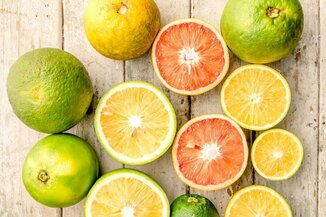 Packed With Nutrients Citrus fruits are excellent sources of several vitamins and minerals, including Vitamin C, which supports a healthy immune system. Vitamin C helps to encourage your body to produce white blood cells that help fight infection. It’s essential to keep your body in top immune shape, especially in the winter!  Citrus is Great in Many Ways!
Some Citrus Recipes: -Citrus Salad -Pomelo Chicken Dish -Marinated Oranges  Other Health Benefits Reduced risk for kidney stones - people are at higher risk of developing kidney stones with low citrate levels in their urine, and citrus fruits increase citrate levels, thus lowering your risk. Reduced risk of certain cancers - citrus is high in flavonoids, which may help prevent certain types of cancer like stomach, pancreatic, and breast cancers. Rich in Fiber - that is if you’re eating the whole fruit! When it comes to citrus, the fruit itself over fruit juice is a good reminder. Fruit juice tends to be higher in sugar, and while the fruit itself naturally contains sugar, fiber is good at slowing down the body’s absorption of sugar and preventing spikes in blood sugar. While Citrus fruits are typically a great addition to the diet, some medications have been known to be affected by certain citrus fruits. Let’s talk about some drug-nutrient interactions, specifically with grapefruit! 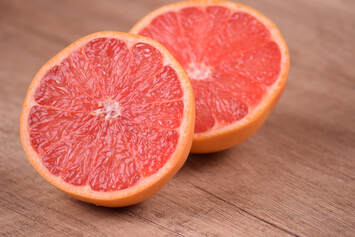 The Grapefruit Effect: Grapefruit contains particular naturally occurring chemical compounds that are known to interact with specific medications. The juice in grapefruits blocks the action of a type of enzyme in the body needed to metabolize certain drugs. Depending on how the medication is metabolized in the body, grapefruit juice can decrease some drugs’ effectiveness. In other cases, it can also prevent the medicine from being metabolized, which means the drug would enter and stay in the bloodstream longer, increasing the risk for drug toxicity and side effects. Common drugs to have interactions with grapefruit juice (not a complete list!): -certain statins for lowering cholesterol, such as atorvastatin (Lipitor), Lovastatin (Mevacor), and Simvastatin (Zocor). -Some blood pressure medications, including Nifedipine (Procardia), Losartan (Cozaar), and Eplerenone (Inspra) -Medications to treat abnormal heart rhythms such as Amiodarone and Dronedarone (Multaq) -Some mood medications such as Buspirone (Buspar) and Diazepam (Valium) -Some antihistamines such as Fexofenadine (Allegra) Everybody’s metabolism is different! It’s essential to read the medication guide on prescriptions or the drug facts label on your over the counter medicine. When in doubt, ask your healthcare provider if you should be avoiding certain citrus fruits, or how much is safe for you to have! Drugs.com also has a Drug Interactions Checker that can be used to look at drug interactions with food/beverages and other drugs.
For more info on grapefruit’s effect on medications: Grapefruit Juice and Some Drugs Don't Mix Whether standing on their own or added to liven up the main course, these delicious fruits never disappoint. Wishing you a safe & healthy day! -Katie Shepherd Dietetic Intern With a worldwide pandemic changing our day to day lives and a return to normalcy feeling far away, it has never been more important to have a strong immune system. It seems that a million new ads are promoting a superfood supplement or miracle vitamin that will boost your immune system. While sometimes supplements are recommended (remember to speak with your doctor or dietitian before beginning any supplement regimen), the best source of nutrients and immune support is found naturally in the foods you eat daily! With so much uncertainty during this time, here are a few things you can do to support your immune system. #1 Eat the Produce Rainbow And no, I do not mean skittles. Fruits & vegetables are packed with vitamins, minerals, and phytonutrients (plant-derived compounds) that have many health benefits, including healthy aging and immune support. Phytonutrients may also act as antiviral agents. Each color of a fruit or vegetable indicates different phytonutrients found in the plant. For example, the dark blue color seen in blackberries and eggplant is from the phytonutrient group anthocyanins. Each phytonutrient has unique health benefits, so put together a multi-colored plate! #2 Increase your micronutrients! While many nutrients play a role in building a health immune system, these are a few key nutrients that support your immune health; Vitamin C, Vitamin D3 & Zinc. 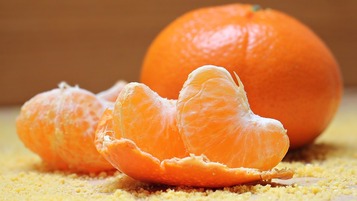 Vitamin C Vitamin C is needed for the body to form cartilage, muscle, and collagen in bones. Vitamin C also helps the body absorb iron and supports a healthy immune system. When the body is fighting a foreign pathogen, Vitamin C effectively protects the body’s cells from getting damaged in the process. Though daily intake of Vitamin C has been shown to reduce the duration of colds, there is no evidence of added benefits once cold-like symptoms have occurred. Food sources of Vitamin C: -Citrus fruits (oranges, lemons, kiwi) -Bell peppers -Strawberries -Tomatoes -Cauliflower -Potatoes  Vitamin D3 Vitamin D is known for helping your body absorb calcium and also enables you to ward off disease. Vitamin D3 is the form of Vitamin D that your body makes when exposed to sunlight. Getting adequate Vitamin D is important in the winter months when it is hard to get adequate sun exposure. When selecting a Vitamin D supplement, note that vitamin D3 increases serum blood levels more effectively than vitamin D2 supplements. Remember to speak with your doctor or dietitian before starting any supplement. Vitamin D is a fat-soluble vitamin, so including some fat, like olive oil or nuts, within the same meal can aid in absorption. Food Sources of Vitamin D: -Fatty fish like salmon -sardines -egg yolk -shrimp 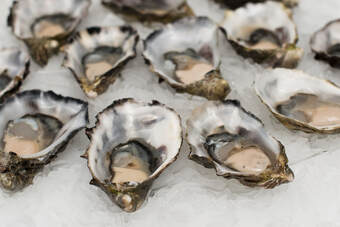 Zinc This mineral is critical for the normal development & function of cells. Without enough of this nutrient, the body’s immune cell function is impaired when creating oxidants that fight invading pathogens. Zinc helps maintain the integrity of your immune system! Food sources of Zinc: -Shellfish (oysters, crab, lobster) -Beef -Poultry -Pork -Legumes -Nuts, seeds  #3 Get Adequate Sleep When I say adequate, I’m talking about quality! A good night’s sleep improves overall health in many ways, like reducing blood pressure and the production of stress hormones. Poor quality sleep can increase stress, inflammation, and your risk of getting sick, so prioritize your much-needed zzz’s! The Mayo Clinic recommends 7-9 hours per night, and the rule of “too much is never good”, applies to sleep as well! Aiming for quality, uninterrupted sleep is key here.  #4 Hydrate Drink up! The adult body is roughly 60% water. Staying hydrated is needed for flushing out toxins, waste management, energy maintenance, and the list goes on! Water is especially necessary for transporting nutrients to our organ systems. Hydration is vital for ensuring all our systems work, especially the immune system. If you feel thirsty, you're most likely already dehydrated, so it’s important to be drinking plenty of fluids throughout the day. One way to do this is by keeping a reusable water bottle on you at all times and finding a water flavor enhancer you enjoy. It is important to remember that daily nutrient intake is necessary, and too much of anything usually will cause more problems than it solves. Optimal nutrition is an important stepping stone to achieving optimal health and a strong immune system.
-Katie Shepherd Dietetic Intern |

SD BlogA place for our consultant Registered Dietitian Nutritionists (RDNs) to share nutrition science, yummy and healthy recipes, tips on seasonal ingredients, and other nutritional musings. Enjoy! Categories
All
Archives
February 2024
|



 RSS Feed